
Top 10 Best Museums in Vietnam: History, Art & Culture Guide
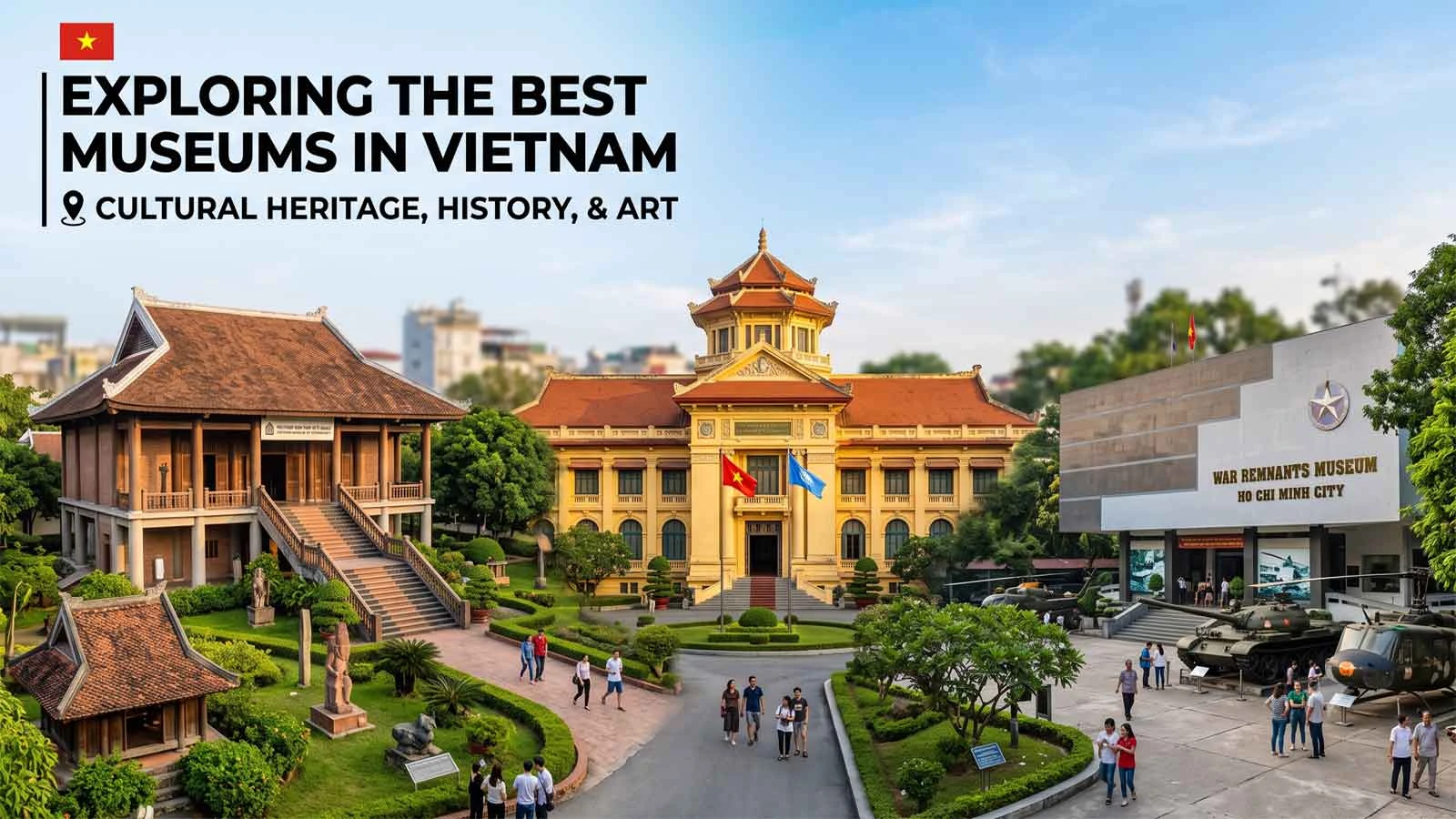
Vietnam is known for its breathtaking landscapes, vibrant street food, and rich cultural heritage. But beyond the beaches, mountains, and ancient towns lies another side of the country waiting to be explored—its fascinating museums.
Whether you’re interested in Vietnam’s long history, traditional culture, wartime stories, fine arts, or natural science, the country’s museums offer immersive experiences that bring these subjects to life. Modern interactive exhibitions, impressive architecture, and priceless collections make them worthwhile stops for travelers of all ages.
From thousand-year-old artifacts and royal treasures to Cham sculptures and dinosaur fossils, each museum tells a unique story about Vietnam’s past and present.
Here’s our guide to the 10 best museums in Vietnam that deserve a place on your travel itinerary.
1. Vietnam Military History Museum (Hanoi)

One of Hanoi’s newest cultural attractions, the Vietnam Military History Museum showcases the country’s military history through modern exhibitions and an impressive collection of historic artifacts.
Located along Thang Long Boulevard, the museum’s new campus features spacious indoor galleries alongside a vast outdoor exhibition area displaying iconic military vehicles and aircraft.
Highlights include the legendary MiG-21 fighter jets (No. 4324 and No. 5121) and the famous T-54B Tank No. 843, all recognized as Vietnamese National Treasures.
Inside, visitors can explore interactive displays, multimedia presentations, scale models, archival films, and immersive exhibitions covering major events such as the Dien Bien Phu Campaign and the Ho Chi Minh Campaign. These modern installations make Vietnam’s military history more engaging for both international visitors and younger audiences.
Location: Km 6+500, Thang Long Boulevard, Tay Mo Ward, Hanoi
Admission: Approximately 40,000 VND for adults. Discounts and exemptions are available for eligible visitors.
Travel Tip: The museum covers a large area, so wear comfortable walking shoes and bring a hat and water if you plan to explore the outdoor exhibits.
2. Vietnam Museum of Ethnology (Hanoi)
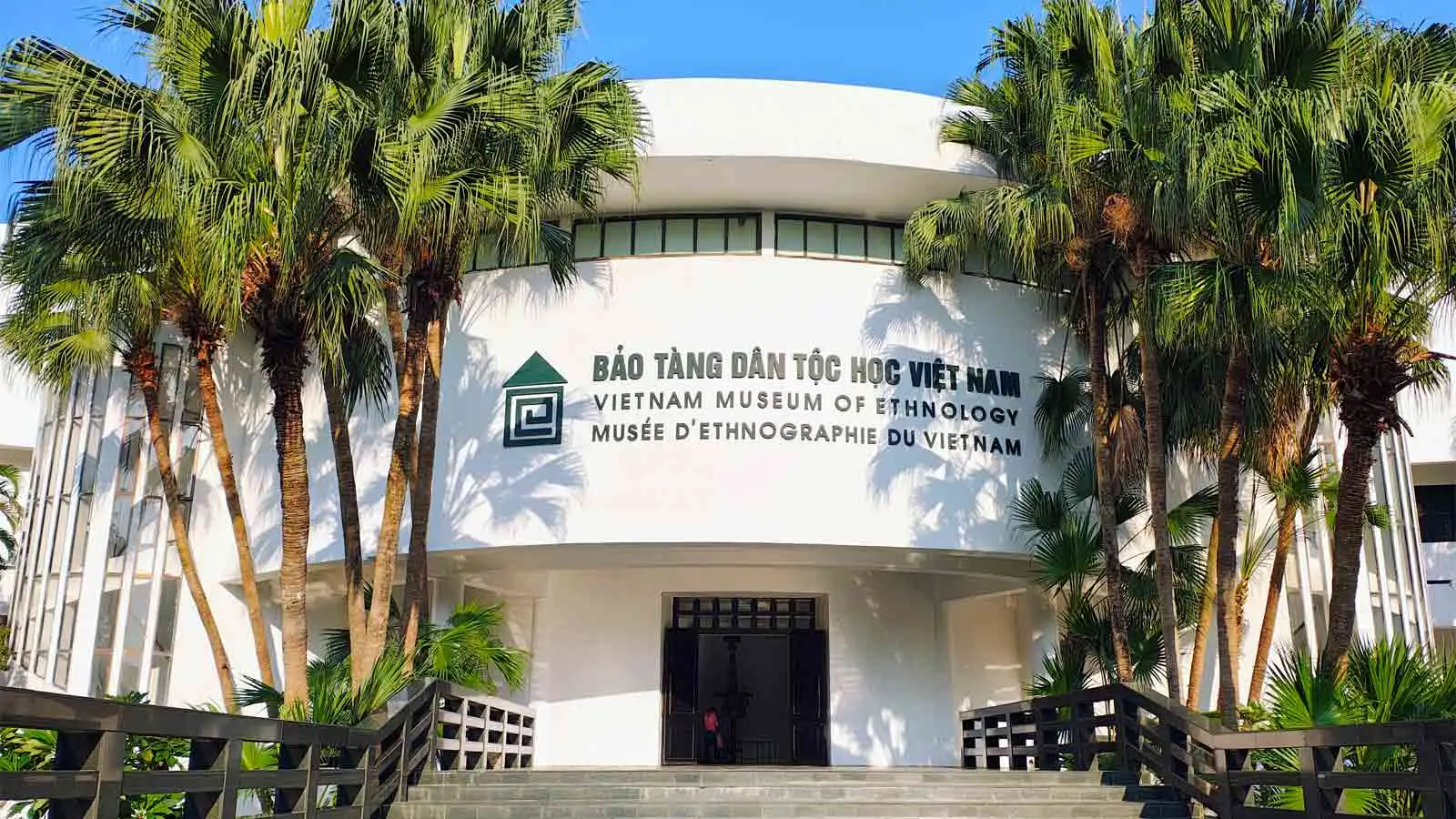
If you want to discover Vietnam’s incredible cultural diversity without traveling across the entire country, the Vietnam Museum of Ethnology is one of the best places to start.
Dedicated to the cultures of Vietnam’s 54 officially recognized ethnic groups, the museum has long been one of Hanoi’s most popular attractions for both domestic and international travelers.
The museum consists of three main sections.
The Bronze Drum Building introduces visitors to traditional costumes, household items, religious beliefs, festivals, customs, and everyday life of Vietnam’s ethnic communities through thoughtfully curated exhibitions.
The Kite Building expands the experience by showcasing cultures from Southeast Asia and other regions around the world, offering broader insight into global cultural diversity.
Perhaps the most popular area is the Architecture Garden, where visitors can walk inside authentic traditional houses, including the Ede longhouse, Ba Na communal house (Rong House), Hmong house, and several other ethnic dwellings. Many of these structures were reconstructed by local artisans using traditional building techniques and materials.
Location: Nguyen Van Huyen Street, Nghia Do Ward, Hanoi
Admission:
- Adults: 40,000 VND
- Students: 20,000 VND
- Children: 10,000 VND
Opening Hours: Tuesday–Sunday, 8:30 AM – 5:30 PM
Travel Tip: Weekend visits often feature cultural performances, folk games, craft demonstrations, and family-friendly activities. Check the museum’s event schedule before your visit.
3. War Remnants Museum (Ho Chi Minh City)
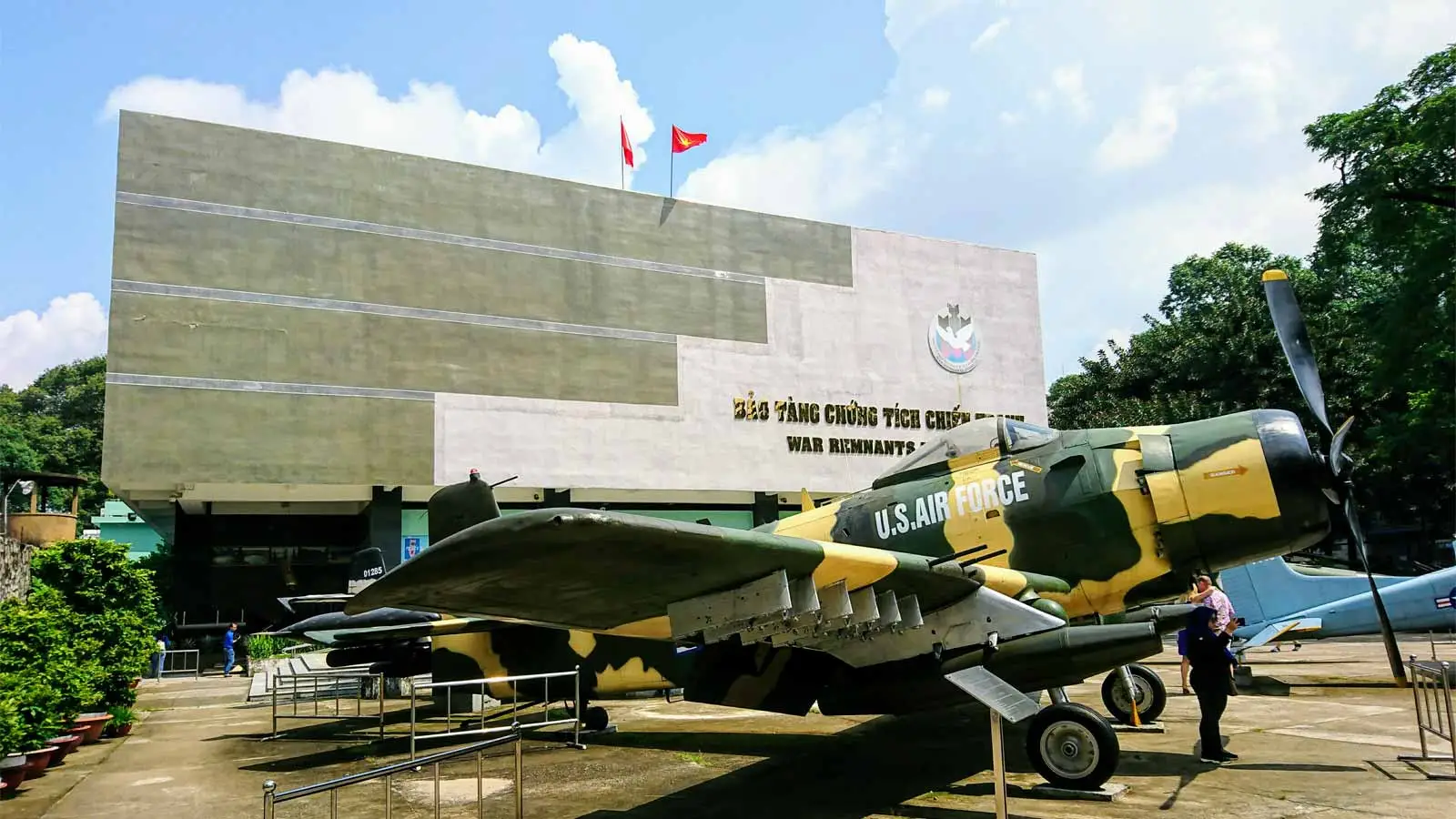
The War Remnants Museum is one of the most visited museums in Ho Chi Minh City and consistently ranks among Vietnam’s top attractions for international travelers.
Unlike museums focused primarily on entertainment, this museum presents a powerful and thought-provoking look at the consequences of war while emphasizing the importance of peace.
Its collection includes tens of thousands of photographs, documents, and artifacts related to the Vietnam War. Some of the most impactful exhibitions cover the Con Dao “Tiger Cages,” Agent Orange, war photography, and the long-term humanitarian consequences of conflict.
Outside, visitors can view military aircraft, helicopters, tanks, artillery pieces, and other military equipment. Inside, the galleries are organized by theme, making it easy to understand the historical context behind each exhibit.
The museum offers an emotional yet educational experience and remains one of the most meaningful places to visit in Ho Chi Minh City.
Location: 28 Vo Van Tan Street, Xuan Hoa Ward, Ho Chi Minh City
Admission: Approximately 40,000 VND
Opening Hours: Daily, 7:30 AM – 5:30 PM
Travel Tip: The museum now offers online ticket booking, making it easier to avoid queues during weekends and peak tourist seasons.
4. Da Nang Museum of Cham Sculpture (Da Nang)
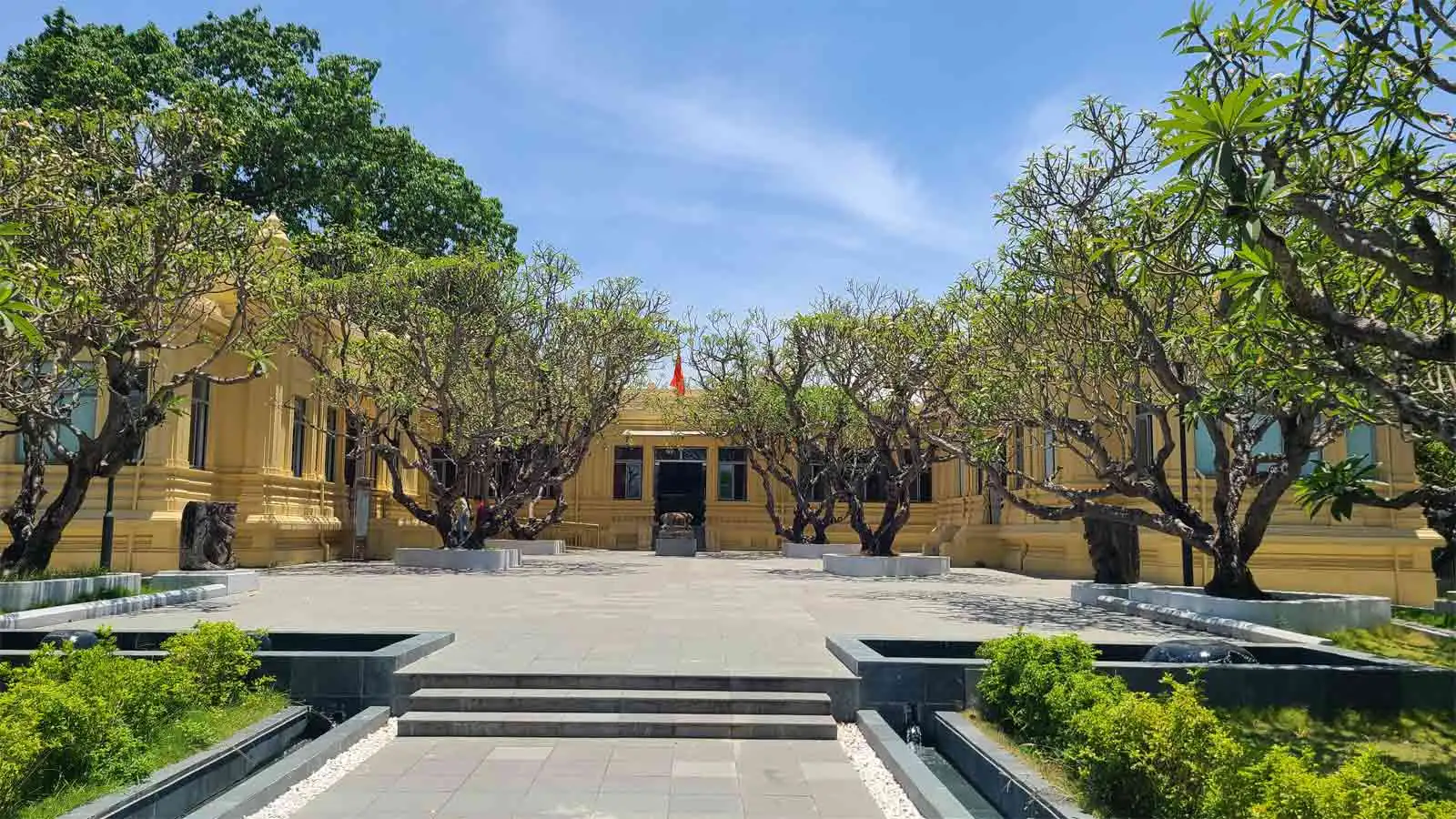
For travelers interested in ancient civilizations, the Da Nang Museum of Cham Sculpture is one of Vietnam’s finest cultural attractions. Home to the world’s largest collection of Cham artifacts, the museum offers a fascinating journey into the history of the Champa Kingdom, which flourished across Central Vietnam for centuries.
Situated near the Han River, the museum itself is a beautiful example of French colonial architecture blended with design elements inspired by traditional Cham temples. Its peaceful galleries create the perfect setting to admire centuries-old sandstone masterpieces.
Inside, visitors will discover intricate sculptures depicting Hindu deities, graceful Apsara dancers, sacred animals, and elaborately carved temple decorations. Many pieces were recovered from UNESCO-listed archaeological sites throughout Central Vietnam.
The collection is organized by archaeological region, including My Son, Tra Kieu, Dong Duong, and Thap Mam, allowing visitors to trace the evolution of Cham art and architecture across different historical periods.
Natural lighting throughout the museum highlights the remarkable craftsmanship of each sculpture, making this an ideal destination for history enthusiasts, archaeology lovers, photographers, and anyone curious about one of Southeast Asia’s great civilizations.
Location: 2 Thang 9 Street, Hai Chau District, Da Nang
Admission:
- Adults: approximately 60,000 VND
- Students: approximately 10,000 VND
Opening Hours: Daily, 7:00 AM – 5:00 PM
Travel Tip: Audio guides are available in multiple languages and provide valuable background on the symbolism, religious significance, and historical context of the sculptures.
5. Hue Museum of Royal Antiquities (Hue)
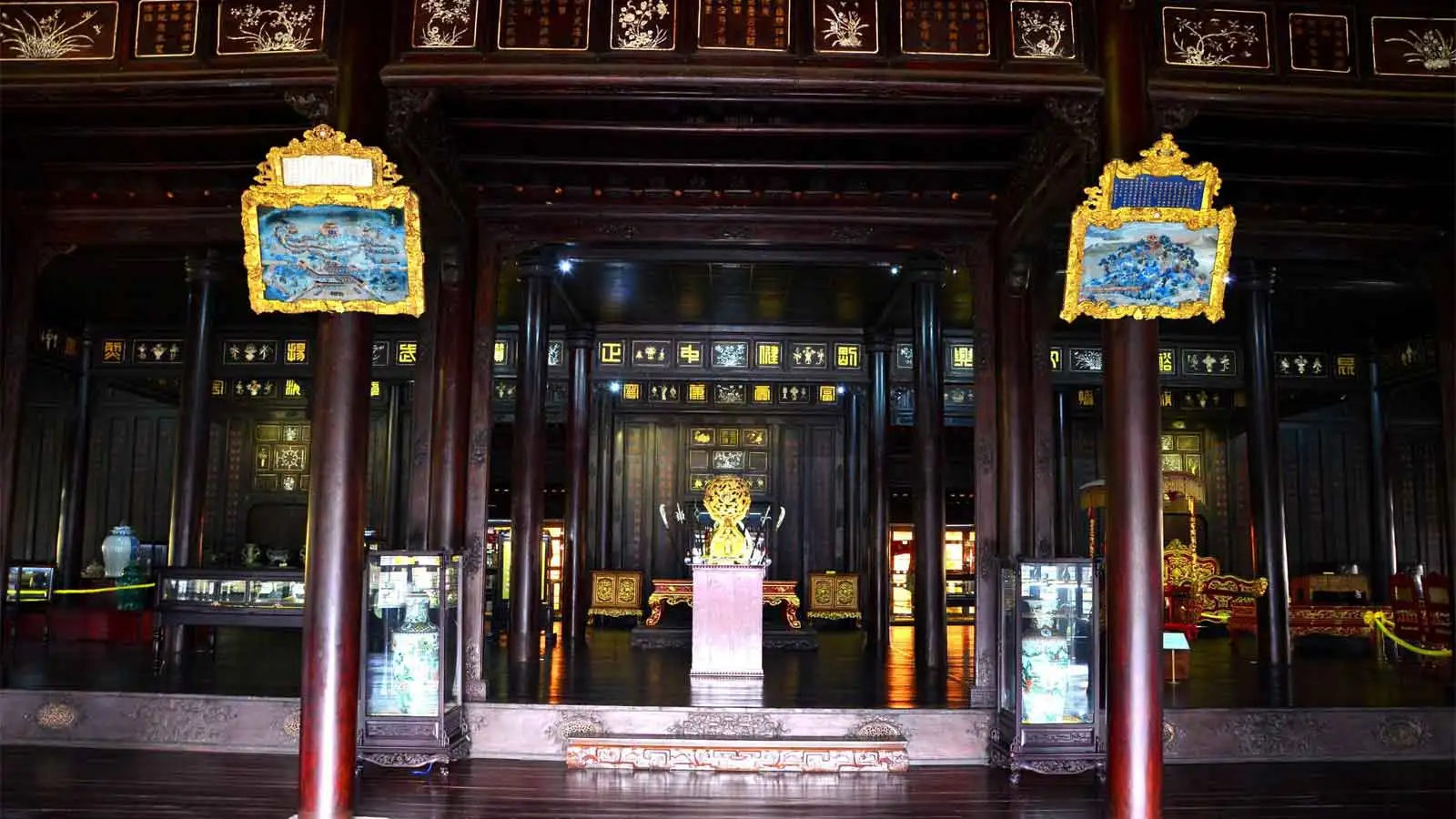
Located inside the elegant Long An Palace, the Hue Museum of Royal Antiquities offers visitors a rare glimpse into the luxurious world of Vietnam’s Nguyen Dynasty, the country’s last imperial dynasty.
The palace itself is a masterpiece of traditional Vietnamese architecture, celebrated for its finely carved wooden structures, decorative motifs, and beautifully preserved royal design.
Its extensive collection includes:
- Royal porcelain
- Cloisonné enamel (Pháp Lam)
- Imperial costumes
- Ceremonial objects
- Lacquerware
- Wooden furniture
- Court musical instruments
- Everyday items once used inside the royal palace
More than beautiful works of art, these artifacts reveal the customs, ceremonies, craftsmanship, and sophisticated lifestyle of Vietnam’s imperial court.
Walking through the museum feels like stepping back into the royal palace, offering a deeper appreciation of Hue’s status as Vietnam’s former imperial capital.
Location: 3 Le Truc Street, Hue City
Admission: Approximately 50,000 VND
A combined ticket with An Dinh Palace is also available.
Travel Tip: Since the museum is located close to the Imperial Citadel (Hue Imperial City), it’s easy to combine both attractions in a single day for a complete imperial heritage experience.
6. Vietnam National Museum of History (Hanoi)
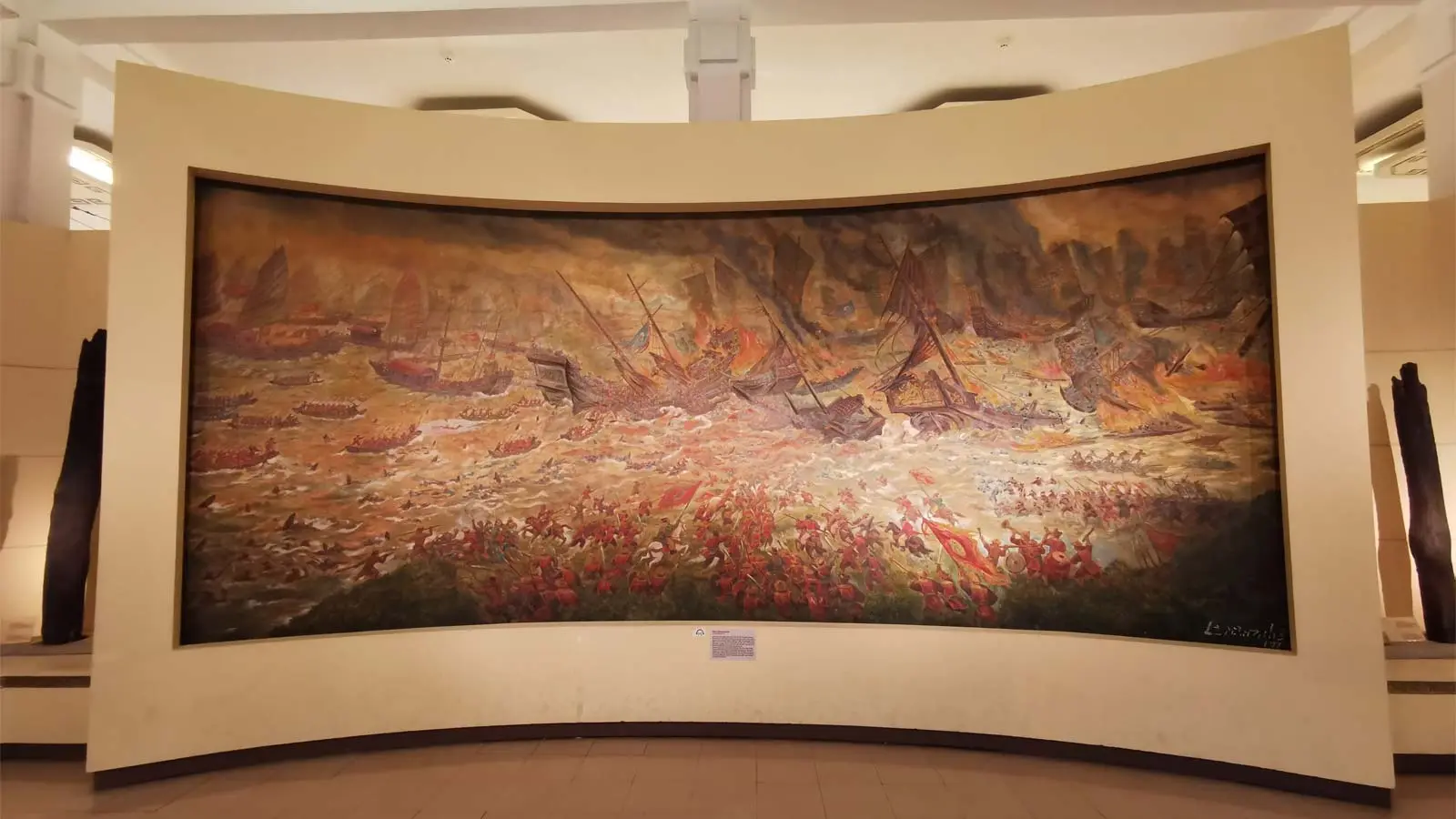
If you’re looking for the most comprehensive introduction to Vietnam’s history, the Vietnam National Museum of History is an essential stop.
The museum spans two separate buildings, together presenting the story of Vietnam from prehistoric times to the modern era.
Building 1 – Trang Tien Street
The first building is an architectural landmark in its own right. Designed during the French colonial period, it combines Indochinese architecture with traditional Vietnamese elements, making it one of Hanoi’s most beautiful historic buildings.
The exhibitions cover:
- Prehistoric Vietnam
- Bronze Age civilizations
- Dong Son culture
- Ancient kingdoms
- Imperial dynasties
- Archaeological discoveries
- National Treasures
Among its most famous exhibits are magnificent Dong Son bronze drums, Buddhist sculptures, ceramics, royal artifacts, jewelry, and relics dating back thousands of years.
Building 2 – Tran Quang Khai Street
The second building focuses on Vietnam’s modern history, covering the country’s struggle for independence, national reunification, and post-war development from the mid-19th century onward.
Together, both sites provide one of the most complete historical narratives available anywhere in Vietnam.
Locations
- Building 1: 1 Trang Tien Street, Hoan Kiem District, Hanoi
- Building 2: 216 Tran Quang Khai Street, Hoan Kiem District, Hanoi
Admission:
- Adults: 40,000 VND
- Students: 20,000 VND
- Children: 10,000 VND
One ticket grants access to both exhibition buildings.
Opening Hours
Tuesday–Sunday
- 8:00 AM – 12:00 PM
- 1:30 PM – 5:00 PM
Travel Tip: Don’t miss the exterior of the Trang Tien building—it’s one of Hanoi’s finest examples of Indochinese architecture and a favorite spot for travel photography.
7. Vietnam Fine Arts Museum (Hanoi)
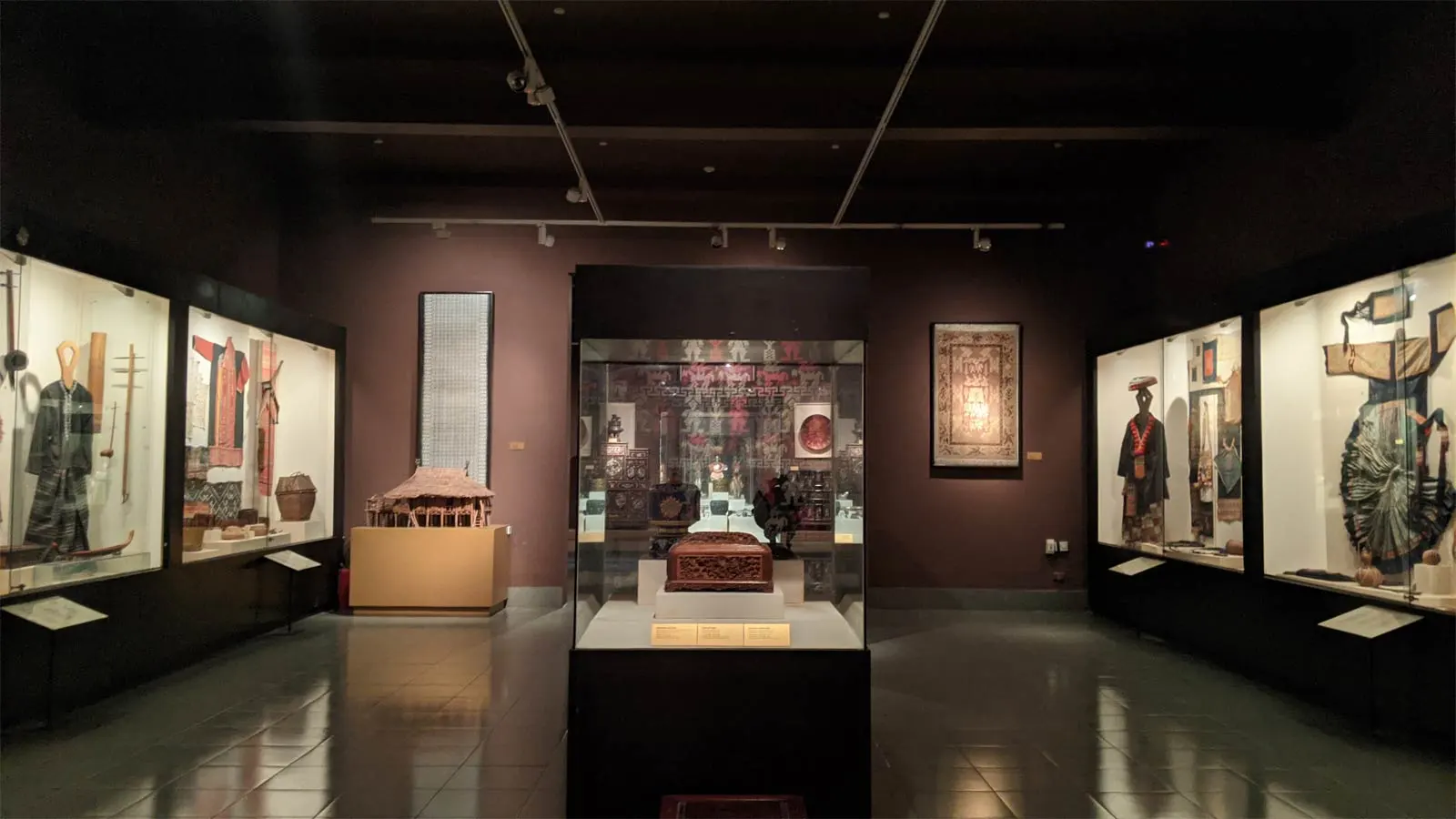
Just a short walk from the Temple of Literature, the Vietnam Fine Arts Museum is the country’s premier destination for discovering the evolution of Vietnamese art.
Housed in a beautifully restored French colonial building, the museum blends elegant Indochinese architecture with traditional Vietnamese design elements. Its warm yellow façade, spacious galleries, and peaceful atmosphere make it one of Hanoi’s most rewarding cultural attractions.
The museum’s permanent collection spans thousands of years and features:
- Ancient Buddhist sculptures
- Traditional folk paintings
- Lacquer paintings
- Silk paintings
- Oil paintings
- Contemporary Vietnamese art
- Ceramics and decorative arts
One of its most celebrated masterpieces is Little Thuy (Em Thúy) by renowned artist Trần Văn Cẩn, recognized as a Vietnamese National Treasure and an icon of modern Vietnamese art.
Each gallery tells the story of Vietnam’s artistic development, from ancient religious sculpture to contemporary creativity, making it an ideal stop for both casual visitors and art enthusiasts.
Location: 66 Nguyen Thai Hoc Street, Ba Dinh District, Hanoi
Admission:
- Adults: 40,000 VND
- Students: 20,000 VND
Travel Tip: After exploring the galleries, relax at the museum’s peaceful garden café before continuing your visit to nearby attractions such as the Temple of Literature or the Ho Chi Minh Mausoleum.
8. Ho Chi Minh City Museum of Fine Arts
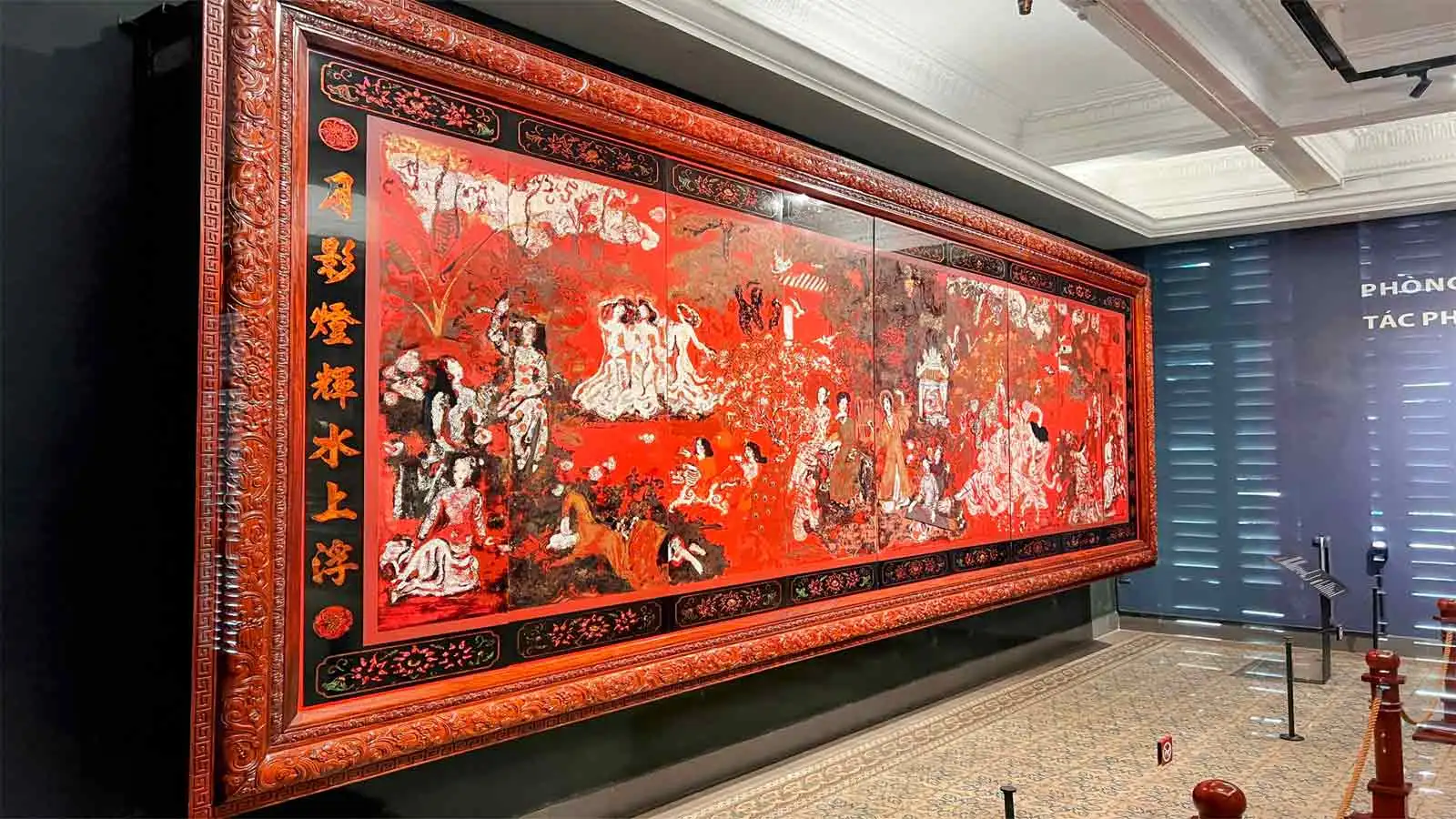
If you’re looking for one of Ho Chi Minh City’s most photogenic landmarks, the Ho Chi Minh City Museum of Fine Arts should be high on your list.
Originally built as the mansion of wealthy Chinese-Vietnamese businessman Hua Bon Hoa (Uncle Hoa), the museum is an architectural masterpiece that beautifully combines French colonial, Art Deco, and Asian influences.
The museum complex consists of three interconnected buildings showcasing an impressive collection of Vietnamese art, including:
- Traditional paintings
- Modern paintings
- Sculptures
- Lacquer artworks
- Ceramics
- Contemporary exhibitions
However, many visitors come just as much for the building itself as for the artwork.
Highlights include:
- The iconic yellow façade
- Elegant wooden staircases
- Colorful stained-glass windows
- Decorative balconies
- Vintage tiled floors
- The historic elevator, one of the oldest still preserved in Vietnam
Its cinematic atmosphere has made the museum a favorite location for photographers, filmmakers, and social media creators.
Location: 97 Pho Duc Chinh Street, Ben Thanh Ward, Ho Chi Minh City
Admission:
- Adults: 30,000 VND
- Students: 15,000 VND
Opening Hours: Daily, 8:00 AM – 5:00 PM
Travel Tip: Morning light creates beautiful natural illumination through the stained-glass windows, making it the best time for photography.
9. Ho Chi Minh Museum – Ho Chi Minh City Branch (Nha Rong Wharf)
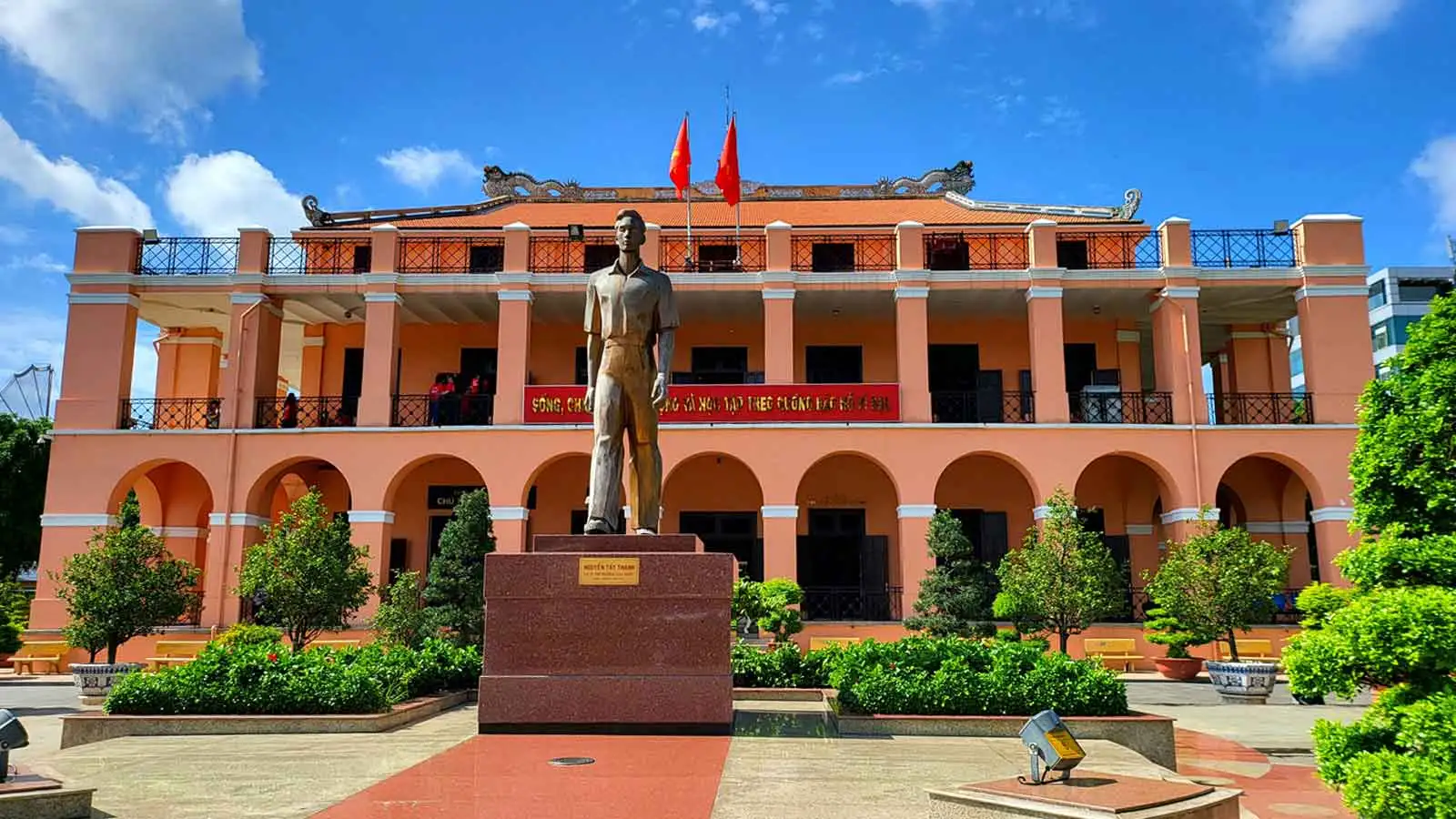
Better known as Nha Rong Wharf (Dragon House), the Ho Chi Minh Museum – Ho Chi Minh City Branch is one of Vietnam’s most important historical landmarks.
This is where Nguyen Tat Thanh, later known as President Ho Chi Minh, boarded the French ship Amiral Latouche-Tréville on June 5, 1911, beginning the journey that would eventually lead to Vietnam’s independence movement.
The building itself dates back to the late 19th century and reflects French colonial architecture, distinguished by two decorative dragons on its rooftop—a unique feature that inspired the name Dragon House.
Inside, visitors can explore exhibitions featuring:
- Historical documents
- Rare photographs
- Personal artifacts
- Multimedia displays
- Stories about Ho Chi Minh’s life and revolutionary career
The museum also enjoys a scenic location overlooking the Saigon River, providing beautiful views of the city’s modern skyline.
Location: 1 Nguyen Tat Thanh Street, Xom Chieu Ward, Ho Chi Minh City
Admission: Vietnamese visitors are generally admitted free of charge. International visitors may pay an entrance fee according to current regulations.
Travel Tip: Visit in the morning or early afternoon to allow enough time to explore all exhibition halls before closing.
10. Vietnam Museum of Nature (Hanoi)
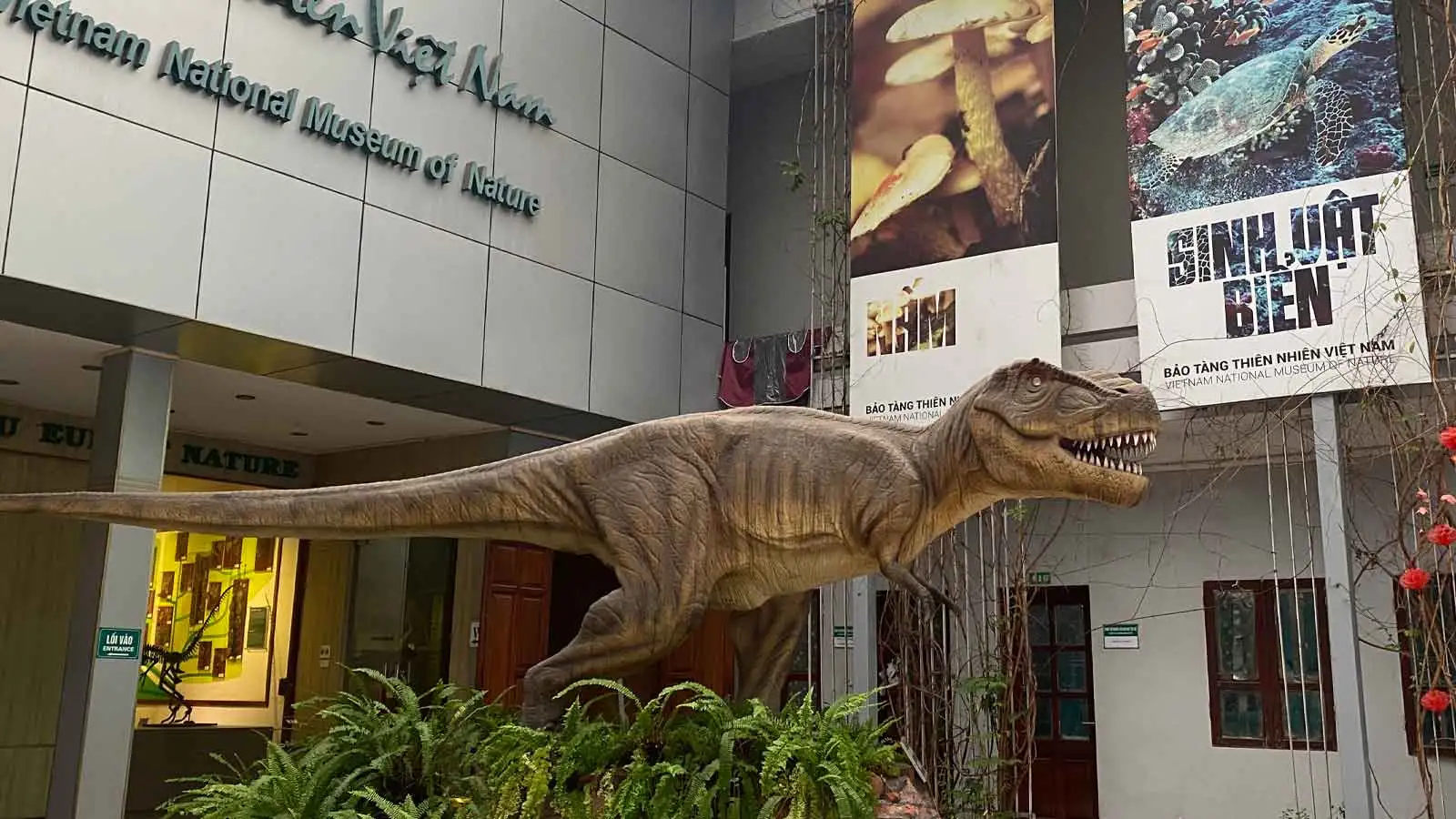
Traveling with children or simply fascinated by the natural world? The Vietnam Museum of Nature offers an educational experience that’s both fun and informative.
Although smaller than many of Vietnam’s national museums, it presents an engaging overview of the country’s remarkable biodiversity and the history of life on Earth.
Visitors can explore exhibitions featuring:
- Dinosaur models
- Fossils
- Geological specimens
- Minerals
- Animal and plant collections
- Insect displays
- Human evolution
- Vietnam’s diverse ecosystems
The museum is especially popular with families, students, and anyone interested in science or environmental conservation.
Its exhibits help visitors understand Vietnam’s extraordinary biodiversity while promoting awareness of wildlife protection and sustainable development.
Location: Building A20, 18 Hoang Quoc Viet Street, Nghia Do Ward, Hanoi
Admission: Free
Opening Hours
Wednesday–Saturday
- Morning: 8:30 AM – 11:30 AM
- Afternoon: 1:30 PM – 4:30 PM
Closed on Mondays, Tuesdays, Sundays, and public holidays.
Travel Tip: The museum is located within the campus of the Vietnam Academy of Science and Technology. Large groups are encouraged to arrange their visit in advance.
Frequently Asked Questions About Visiting Museums in Vietnam
1. What Should You Wear to Museums in Vietnam?
Most museums in Vietnam feature elegant colonial buildings, contemporary galleries, or historic architecture with neutral-toned interiors, making them ideal for photography.
For timeless travel photos, choose light-colored outfits such as white, beige, cream, or pastel shades. If you’re visiting art museums or historical sites, minimalist, vintage-inspired clothing or a traditional Vietnamese áo dài can create beautiful images while complementing the surroundings.
Comfort is equally important. Many museums require a considerable amount of walking, so comfortable shoes are highly recommended, especially for larger museums with outdoor exhibition areas.
2. Can You Take Photos Inside Vietnamese Museums?
Photography policies vary from one museum to another.
Many museums allow personal photography, but restrictions often apply to protect valuable artifacts and ensure a pleasant experience for all visitors.
Common rules include:
- Flash photography is prohibited.
- Tripods and professional filming equipment may require permission.
- Some galleries or individual exhibits are designated as no-photo zones.
- Touching artifacts or crossing protective barriers is strictly prohibited.
Always check the museum’s signage or ask staff if you’re unsure about the photography policy.
3. When Is the Best Time to Visit Museums in Vietnam?
Weekdays generally offer a quieter experience, allowing you to explore exhibitions at your own pace and take better photographs without large crowds.
If you’re visiting on weekends or public holidays, arrive shortly after opening time to avoid peak visitor hours.
Opening schedules also vary by museum:
- Many museums in Hanoi close on Mondays.
- Several museums in Ho Chi Minh City and Da Nang operate every day.
Before your visit, it’s a good idea to check the museum’s official website or social media pages for the latest opening hours, ticket prices, and temporary exhibition schedules.
4. Should You Buy Museum Tickets in Advance?
While many museums still sell tickets at the entrance, several of Vietnam’s most popular attractions now offer online booking.
Purchasing tickets in advance can help you:
- Save time during busy periods.
- Avoid long ticket lines.
- Secure entry during holidays or special exhibitions.
- Better plan your sightseeing itinerary.
If you’re traveling with a large group or joining a guided tour, contacting the museum in advance is recommended to arrange admission and guided services.
Tips for Visiting Best Museums in Vietnam
To make the most of your visit, keep these practical tips in mind:
- Wear comfortable walking shoes.
- Bring a reusable water bottle, especially during the summer.
- Allow at least 1–3 hours per museum, depending on its size.
- Download audio guides or museum apps if available.
- Respect photography rules and exhibit restrictions.
- Visit early in the day for fewer crowds and better lighting.
- Combine nearby attractions to maximize your itinerary.
Final Thoughts
These are the best museums in Vietnam, offering far more than places to display historical objects—they are gateways to understanding the country’s remarkable journey through history, culture, art, and nature.
Whether you’re fascinated by ancient civilizations, royal heritage, wartime history, contemporary art, or natural science, these museums offer enriching experiences that add depth to any Vietnam itinerary.
From the world-class Da Nang Museum of Cham Sculpture and the moving War Remnants Museum to the cultural richness of the Vietnam Museum of Ethnology and the artistic treasures of the Vietnam Fine Arts Museum, every destination reveals a different side of Vietnam.
Whether it’s your first trip or your fifth, adding a few museums to your itinerary is one of the best ways to connect with the country’s stories beyond its famous landscapes.