
Vietnam’s 9 UNESCO World Heritage Sites: A Complete Travel Guide
Vietnam is home to some of Southeast Asia’s most remarkable cultural and natural treasures. From ancient royal citadels and historic trading ports to breathtaking limestone landscapes and sacred Buddhist mountains, the country offers travelers an extraordinary journey through history, culture, and nature.
If you are planning a trip to Vietnam, these UNESCO World Heritage Sites deserve a place on your itinerary.
1. Imperial Citadel of Thang Long (Hanoi)
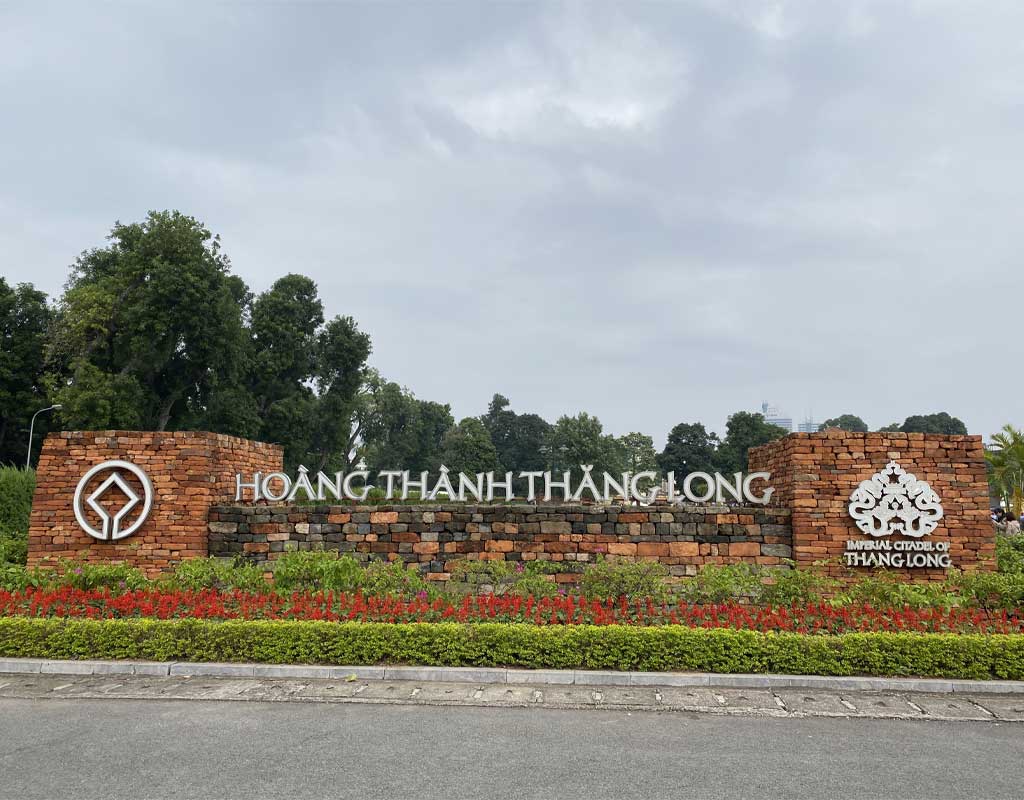
Located in the heart of Hanoi, the Imperial Citadel of Thang Long was the political center of Vietnam for more than a thousand years. Archaeological discoveries reveal layers of history dating back to the 11th century.
Visitors can explore ancient gates, royal foundations, underground command bunkers, and exhibitions showcasing Vietnam’s imperial past.
Best for: History lovers, cultural travelers, photography.
2. Hoi An Ancient Town
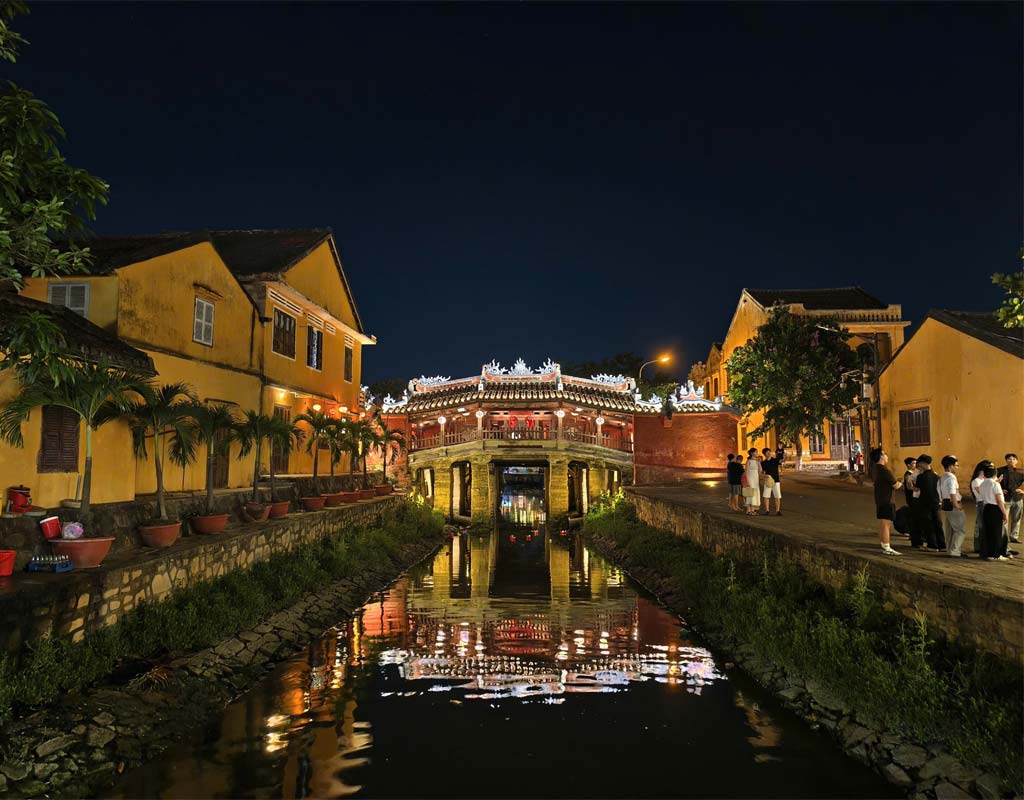
Hoi An is one of Vietnam’s most charming destinations. Once a thriving international trading port, the town preserves a unique blend of Vietnamese, Chinese, Japanese, and European architecture.
Walking through lantern-lit streets, visiting historic merchant houses, and enjoying riverside cafés make Hoi An an unforgettable experience.
Best for: Culture, food, photography, romantic getaways.
3. Trang An Landscape Complex (Ninh Binh)
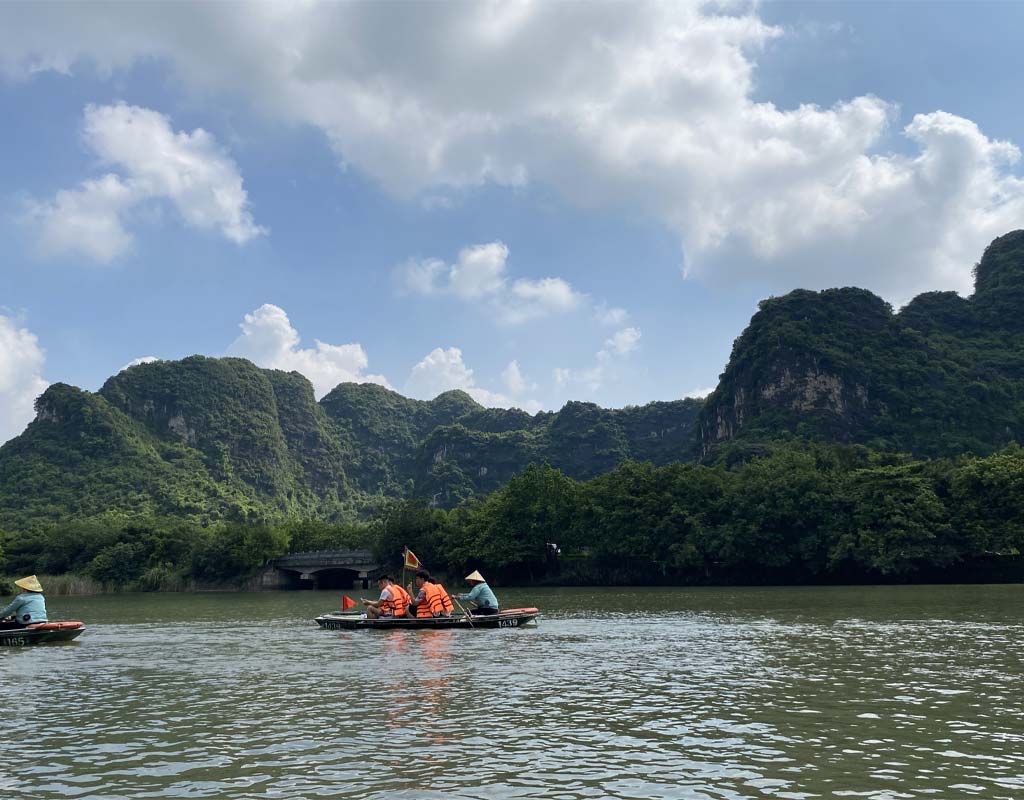
Often called “Ha Long Bay on land,” Trang An features dramatic limestone karsts, winding rivers, caves, and ancient temples.
Boat tours take visitors through spectacular cave systems surrounded by peaceful natural scenery. Trang An is also Vietnam’s first mixed UNESCO World Heritage Site, recognized for both cultural and natural significance.
Best for: Nature lovers, boat tours, scenic photography.
4. Complex of Hue Monuments
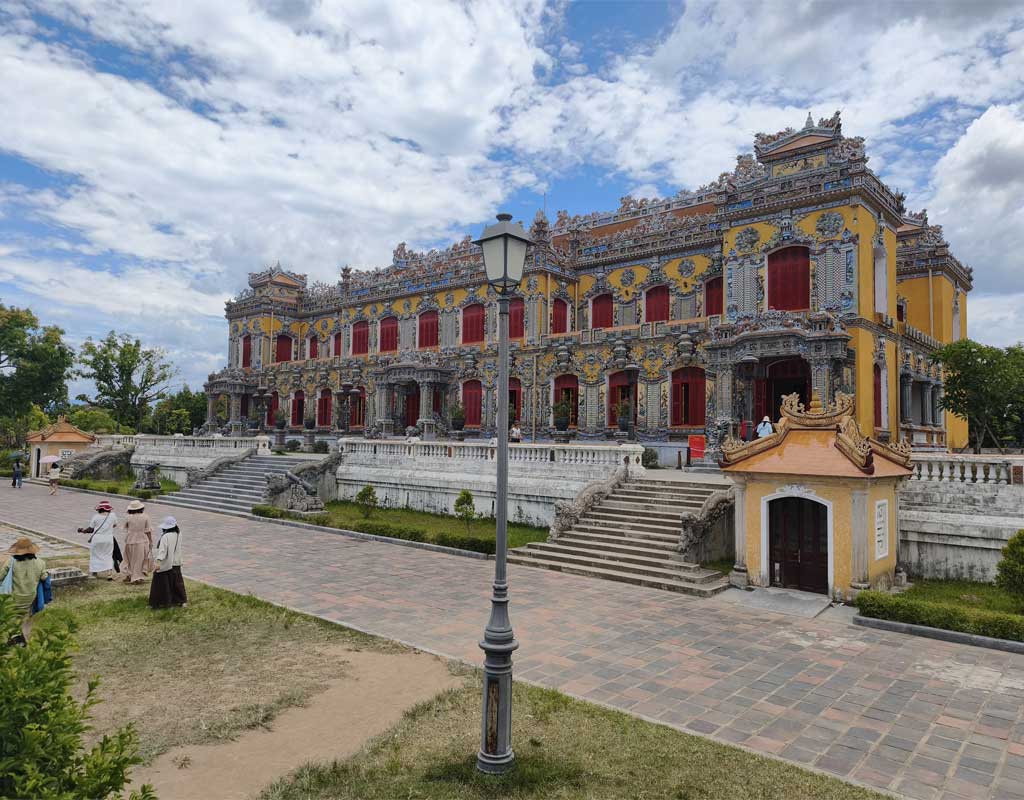
Hue served as the capital of the Nguyen Dynasty from 1802 to 1945. Today, visitors can explore the Imperial City, royal tombs, ancient temples, and historic palaces.
The city’s architecture reflects the grandeur of Vietnam’s last imperial dynasty while preserving centuries of cultural heritage.
Best for: History, architecture, cultural exploration.
5. My Son Sanctuary
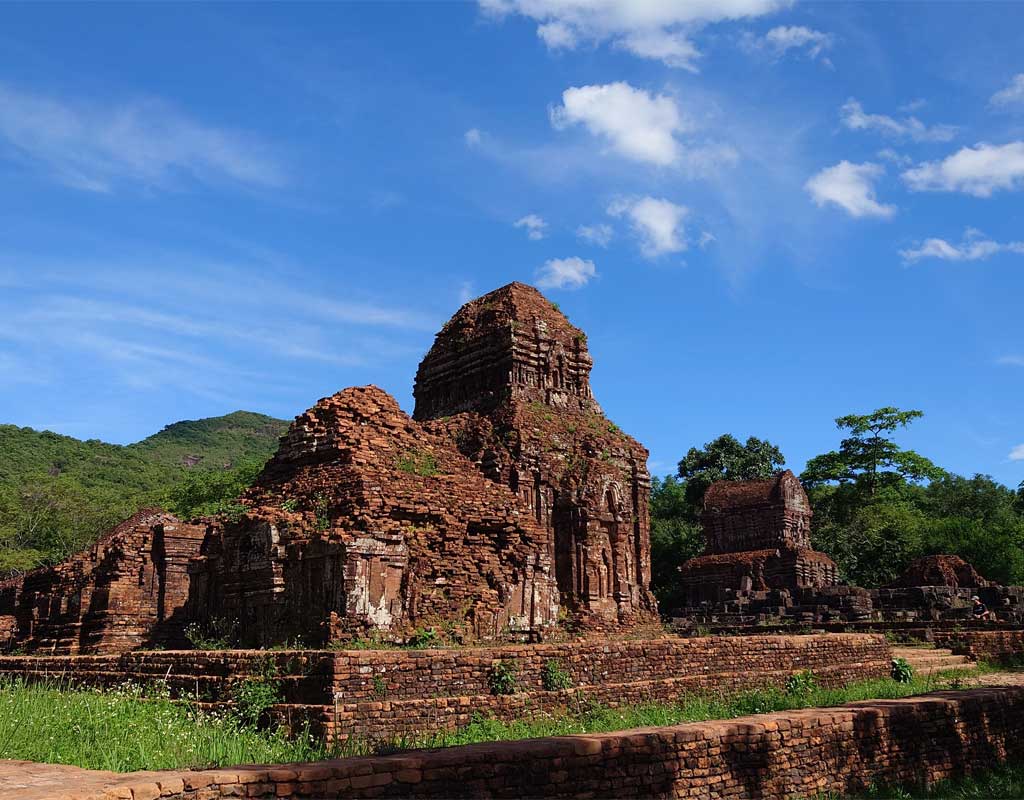
Hidden in a lush valley in Central Vietnam, My Son Sanctuary was once the spiritual center of the ancient Champa Kingdom.
The site contains red-brick Hindu temple ruins dating from the 4th to 13th centuries, offering insight into one of Southeast Asia’s most fascinating civilizations.
Best for: Archaeology, history, cultural tourism.
6. Phong Nha – Ke Bang National Park
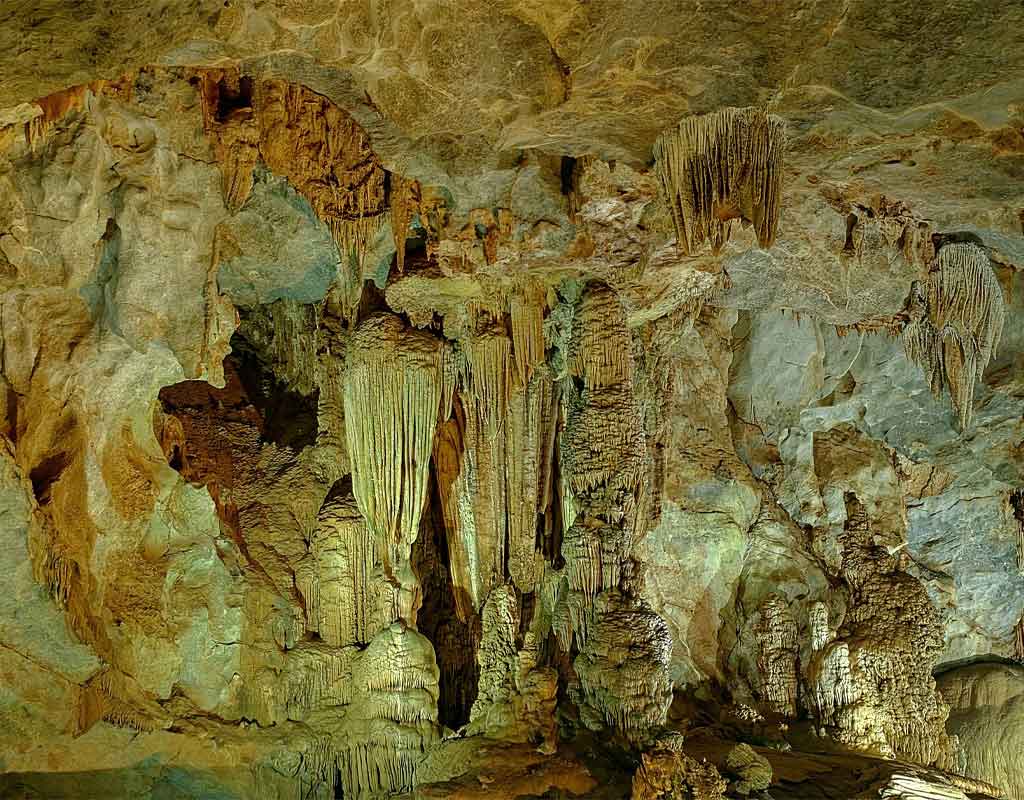
Known as Vietnam’s cave kingdom, Phong Nha – Ke Bang National Park is home to some of the world’s most impressive cave systems.
The park includes Son Doong Cave, the largest cave on Earth, as well as Paradise Cave and Phong Nha Cave. Beyond the caves, visitors can enjoy jungle trekking and biodiversity-rich landscapes.
Best for: Adventure travel, cave exploration, eco-tourism.
7. Ha Long Bay
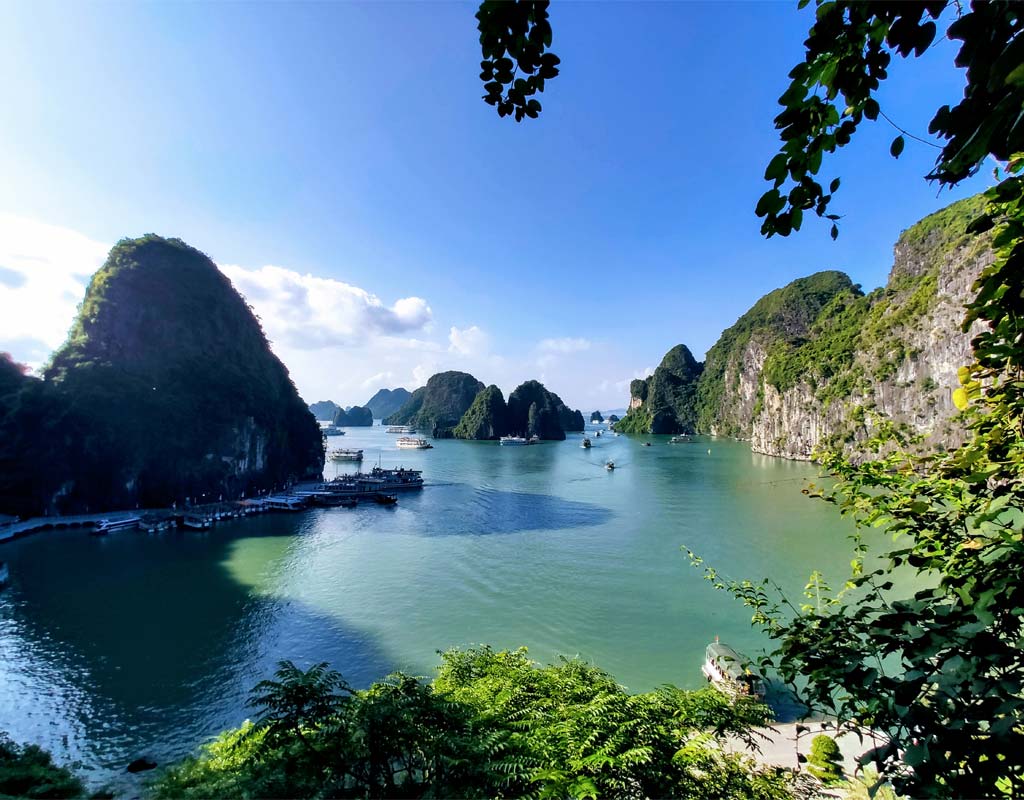
Ha Long Bay is Vietnam’s most iconic natural attraction and one of the world’s most famous seascapes.
More than 1,600 limestone islands rise dramatically from emerald waters, creating a landscape unlike anywhere else on Earth. Popular activities include overnight cruises, kayaking, cave exploration, and island hopping.
A visit to Vietnam would not be complete without experiencing Ha Long Bay.
Best for: Cruises, luxury travel, nature photography.
8. Ho Dynasty Citadel
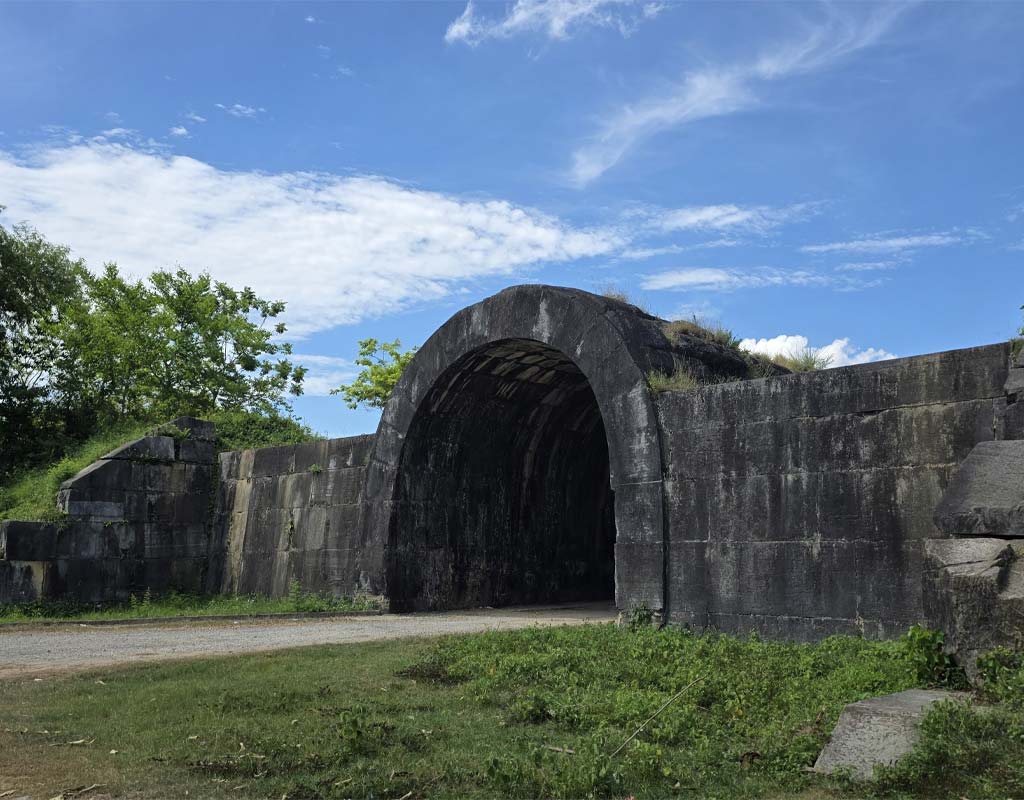
Built in the 14th century, the Ho Dynasty Citadel showcases exceptional stone construction techniques that were far ahead of their time.
Massive limestone blocks form imposing walls that have survived for centuries, making the site an important example of medieval Southeast Asian architecture.
Best for: History enthusiasts, UNESCO collectors.
9. Yen Tu – Vinh Nghiem – Con Son, Kiep Bac Complex
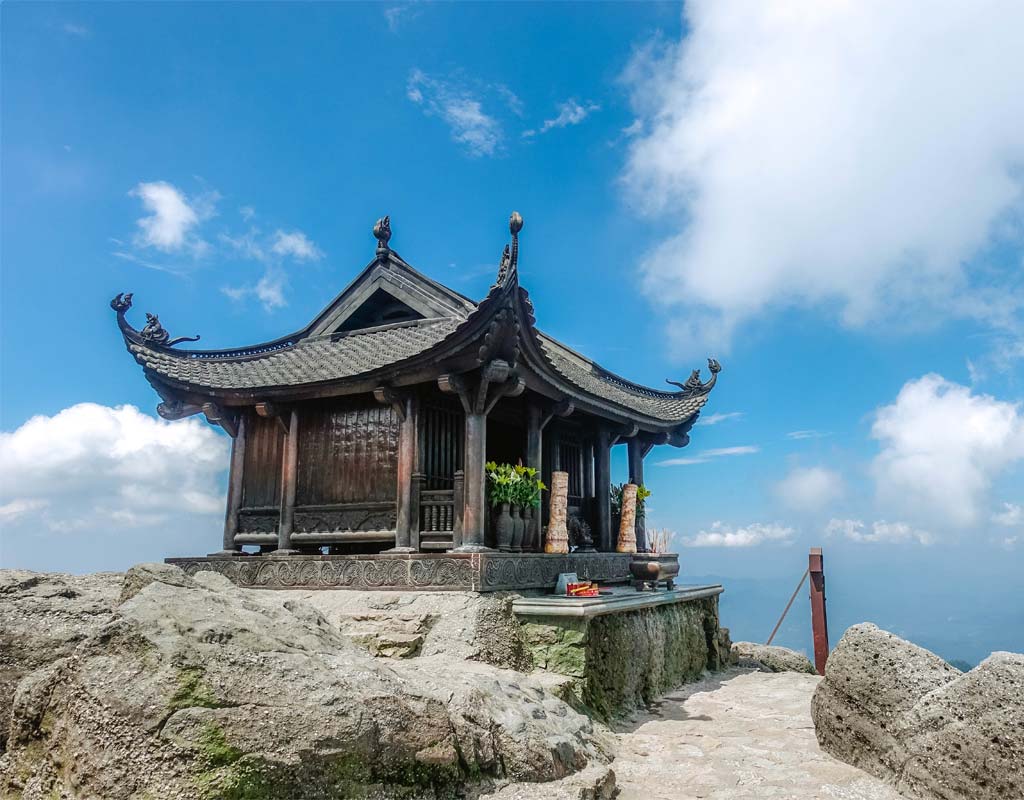
Recognized by UNESCO in 2025, this is Vietnam’s newest World Heritage Site.
The complex is closely linked to Truc Lam Zen Buddhism, a uniquely Vietnamese Buddhist tradition. Spanning several provinces, it includes sacred mountains, ancient pagodas, temples, and pilgrimage routes.
The site offers a deep spiritual experience while showcasing the harmony between nature, culture, and religion.
Best for: Spiritual travel, cultural heritage, mountain scenery.
Why Visit Vietnam’s UNESCO World Heritage Sites?
Vietnam’s UNESCO sites represent the country’s rich history, diverse cultures, and extraordinary natural landscapes. Whether you are interested in ancient civilizations, imperial history, spiritual traditions, or world-class natural wonders, these destinations provide some of the most rewarding travel experiences in Asia.
For travelers seeking authentic cultural experiences and unforgettable scenery, Vietnam’s nine UNESCO World Heritage Sites are essential stops on any Vietnam itinerary.